
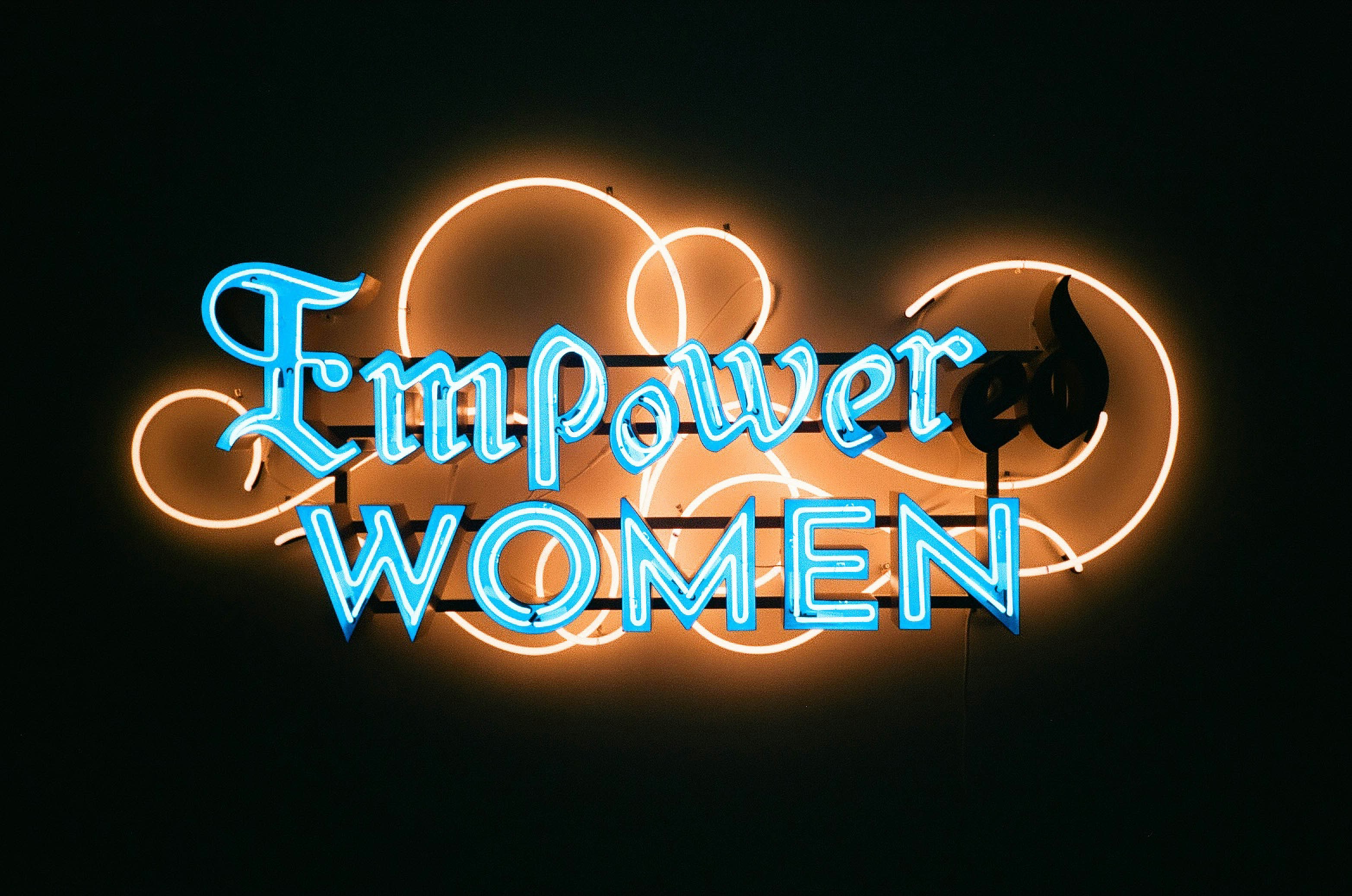
The Importance of Empowering Women
Empowering women is a critical aspect of fostering societal and economic progress. Women play a crucial role in building strong communities and driving economic growth. When women are given equal opportunities in education, employment, and leadership, it leads to significant social transformation. In underserved communities, where women often face additional barriers, empowerment initiatives can catalyze change, benefitting entire families and communities.
Research indicates that when women have access to education and resources, they are more likely to invest in their families’ health and education. According to the World Bank, women who receive secondary education can earn 20% more than their uneducated counterparts, directly affecting their family’s income levels. This increase not only improves individual standard of living but also uplifts entire communities as families invest back into local economies. Furthermore, empowering women leads to improved health outcomes; studies have shown that when women control their income, they prioritize nutrition and healthcare, resulting in healthier children and improved family wellbeing.
Moreover, the impact of empowering women extends beyond immediate economic benefits. It paves the way for future generations. Children of educated mothers are more likely to receive an education themselves, thus breaking cycles of poverty. Data from various organizations highlights that girls with educated mothers are two times more likely to go to school. As such, empowering women not only addresses the immediate disparities but also creates long-term benefits for subsequent generations.
In summary, the empowerment of women has far-reaching implications for society and the economy at large. It is imperative for governments, NGOs, and communities to invest in initiatives that uplift women, particularly in underserved areas, as these efforts are key to sustainable social and economic advancements.
Challenges Faced by Young Women in Underserved Communities
Young women in underserved communities encounter a myriad of challenges that significantly impact their personal development and future opportunities. One prominent issue is early marriage, where traditional customs often dictate that young girls should marry at a young age, frequently resulting in lost educational prospects. This practice not only curtails their growth potential but also limits their access to vital skills and knowledge that are necessary for personal and professional success.
Limited access to education represents another significant barrier. In many underserved regions, educational facilities may be inadequate or even non-existent. Young women often lack the resources required to pursue schooling, such as transportation or sufficient sanitary facilities. Consequently, these young women find it difficult to acquire foundational skills, creating a cycle of poverty and dependency that is challenging to break. The lack of proper education restricts their ability to pursue careers of their choice, often pushing them to accept roles that perpetuate societal inequalities.
Cultural barriers also play a crucial role in hindering the progress of young women. In various communities, entrenched gender norms dictate that women should fulfill domestic roles rather than pursue ambitions outside the home. Such perspectives discourage family and community support for young women’s aspirations, further diminishing their confidence and limiting their career options. This environment can lead to feelings of isolation and despair, as young women may see little hope for changing their circumstances.
Finally, the lack of resources exacerbates these challenges. Many young women do not have access to mentorship programs, workshops, or financial assistance that could aid in their personal and professional development. Without such support systems, they struggle to envision a future that includes independence and empowerment. Through shared experiences and personal stories, it becomes evident that these challenges create formidable obstacles for young women trying to carve a better future for themselves in underserved communities.
The Role of Education in Empowerment
Education serves as a fundamental pillar in the empowerment of young women, providing them with the skills and knowledge required to navigate challenges and pursue their aspirations. Empowering educational initiatives specifically aimed at girls have gained prominence in recent years, highlighting the urgent need to address the gender disparities prevalent in educational access. Programs such as scholarships, mentorship schemes, and community-based learning have emerged as effective tools in motivating young women to pursue their education.
The significance of education goes beyond mere academic achievement. It fosters critical thinking, enhances decision-making capabilities, and builds self-confidence among young women. Educational institutions must strive to create inclusive environments that encourage girls to express themselves and cultivate their potential. By ensuring that girls complete their education, they are more likely to become economically independent, contributing positively to their communities and reducing poverty levels. Access to quality education equips young women with the confidence to challenge societal norms and fulfill leadership roles in various sectors.
Moreover, alternative education models are proving essential, particularly for young women in challenging circumstances, such as refugees or those from low-income backgrounds. Vocational training programs designed specifically for girls can provide practical skills that lead to immediate job opportunities. These programs often integrate life skills training, fostering resilience and adaptability in navigating the workforce.
Through continued investment in education that is tailored to the needs of young women, we are nurturing a generation that is informed, skilled, and empowered. Furthermore, this commitment to educational equity will ensure that young women have the ability to break barriers and create sustainable futures for themselves and their communities. Ensuring access to a diverse range of educational opportunities is vital for unlocking the full potential of future generations.
Strategies for Supporting and Empowering Young Women
Supporting and empowering young women is essential for fostering their growth and success in a rapidly changing world. First and foremost, mentorship programs play a critical role in guiding young women through their educational and professional journeys. By connecting them with established professionals, mentors can provide invaluable insights, encouragement, and networking opportunities. These relationships can instill confidence and resilience, helping young women navigate challenges effectively.
Community involvement is another vital strategy. Local organizations can host workshops, seminars, and events aimed at cultivating skills in young women, from leadership training to financial literacy. By creating learning opportunities, communities can provide a foundation for young women’s independence. Furthermore, engaging young women in volunteer activities not only enriches their experiences but also empowers them to take active roles in society.
Advocacy for policy changes is also crucial for creating a more equitable environment for young women. Supporters can lobby for initiatives that promote equal access to education, healthcare, and employment opportunities. These advocacy efforts can address systemic barriers that often hinder young women’s development. Engaging with policymakers and raising awareness of issues affecting young women can lead to significant changes in legislation and funding, ultimately creating a supportive ecosystem.
Creating safe spaces where young women can learn and grow is equally important. These spaces can take various forms, such as women-only clubs, support groups, or online forums that prioritize their voices and experiences. By providing a platform for young women to share their challenges and achievements, these communities foster a sense of belonging and empower them to forge their paths.
Several initiatives have successfully implemented these strategies, transforming the lives of young women in underserved areas. For instance, programs combining mentorship with community service have showcased remarkable improvements in self-esteem and career readiness among participants. Highlighting these success stories emphasizes the significance of a collaborative approach in empowering young women to break barriers and build futures.